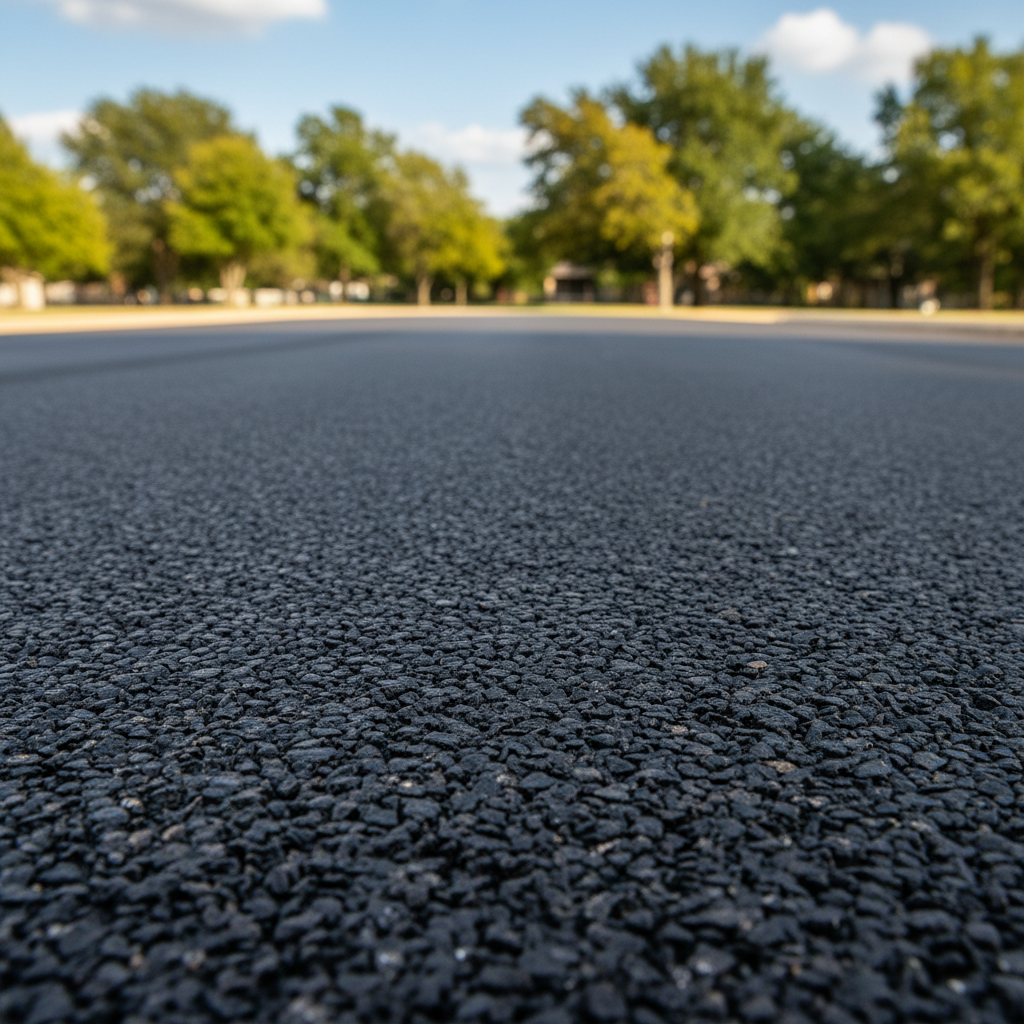
Alright, let's talk about asphalt. Specifically, commercial-grade asphalt for your home. Now, I know what some of you are thinking: 'Commercial? For my house?' But hear me out. Sometimes, what you really need for a long-lasting, durable driveway or a decent-sized parking pad isn't just standard residential stuff. Especially if you've got a heavier vehicle, maybe an RV, or just a lot of traffic on your property. You might even be running a small business out of your home, and you need something that can stand up to more wear and tear than a typical residential driveway.
I’ve seen a lot of driveways around Temple, from the older homes in the historic district to the newer builds out by Crossroads Park. And I can tell you, a good asphalt job makes a huge difference. Let's break down what you need to think about before, during, and after you decide to go this route.
Before You Start: Planning & Prep
This is where most of the heavy lifting happens, even if you're not physically doing it. First off, figure out what you actually need. Are we talking about a simple driveway extension? A whole new loop? A parking area for guests or business clients? The size and scope will dictate a lot, including your budget.
- DIY vs. Pro: Look, I'm a contractor, so you know I'm going to lean towards calling a pro for most of this. Laying commercial asphalt isn't like patching a small pothole with a bag of cold mix. It requires heavy equipment, specific temperatures, and a lot of know-how to get the base right, compact it properly, and lay the hot mix evenly. You can probably handle clearing brush, maybe even some minor grading if you're handy with a Bobcat, but for the actual paving? Seriously, call someone. You'll save yourself a ton of headaches and money in the long run by getting it done right the first time.
- Permits: Depending on the size and location, you might need a permit from the city of Temple. Don't skip this step. It's a pain to deal with fines or having to tear something out because you didn't get the proper paperwork.
- Drainage: This is critical, especially with our Central Texas thunderstorms. You don't want water pooling on your new asphalt, or worse, running into your foundation. A good contractor will plan for proper grading and drainage. We often deal with expansive clay soils here in Temple, which can shift if water isn't managed correctly, so getting this right is non-negotiable.
- Get Bids: Don't just go with the first guy you call. Get at least three quotes. Make sure they're quoting for the same scope of work and materials. Ask about their experience with commercial-grade asphalt for residential applications.
During the Project: What to Expect
Once you've picked your contractor (hopefully Absolute Asphalt Co, wink wink), the work begins. Here's a quick rundown of what you'll see:
- Site Prep: They'll clear the area, remove any old pavement, and get the subgrade ready. This might involve excavating, adding fill, and compacting the soil.
- Base Layer: A good, solid base is the backbone of any asphalt surface. This is usually crushed aggregate, laid down in layers and heavily compacted. This is what prevents your asphalt from sinking or cracking prematurely.
- Binder Layer (if needed): For heavier duty applications, they might put down a binder layer before the surface course. This adds strength and stability.
- Surface Course: This is the top layer, the smooth black stuff you see. It's hot asphalt mix, laid down by a paver, and then compacted with heavy rollers. This is where the magic happens, turning that loose mix into a solid, durable surface.
- Curing: Once it's laid, it needs time to cure. Your contractor will tell you how long to stay off it, but usually, it's a few days before you can drive on it and a couple of weeks before it's fully hardened.
After the Project: Maintenance & Longevity
You've got a beautiful new asphalt surface. Now, how do you keep it that way?
- Sealcoating: This is your best friend for asphalt longevity. I usually recommend sealcoating within the first year, and then every 2-3 years after that. It protects the asphalt from UV rays, water penetration, and oil spills, which can all break down the binder. It's like sunscreen for your driveway.
- Crack Repair: Small cracks will happen eventually. It's just a fact of life with asphalt, especially with our temperature swings here in Temple. Don't ignore them. Fill them promptly to prevent water from getting underneath and causing bigger problems like potholes. You can buy crack filler at most hardware stores for small ones, but for anything significant, call a pro.
- Cleaning: Keep it clean. Sweep off leaves and debris. If you spill oil or gas, clean it up quickly. These chemicals can soften and degrade the asphalt over time.
- Avoid Heavy Loads: Try not to park heavy vehicles in the exact same spot all the time, especially in hot weather. The heat can make asphalt more pliable, and constant heavy pressure can cause depressions.
Investing in commercial-grade asphalt for your home is a smart move if you need that extra durability. It's not a DIY project for most folks, but with the right planning and a good local contractor, you'll have a surface that lasts for years. If you've got questions or want to talk about your specific project, don't hesitate to reach out to us at Absolute Asphalt Co. We're always happy to help our Temple neighbors.