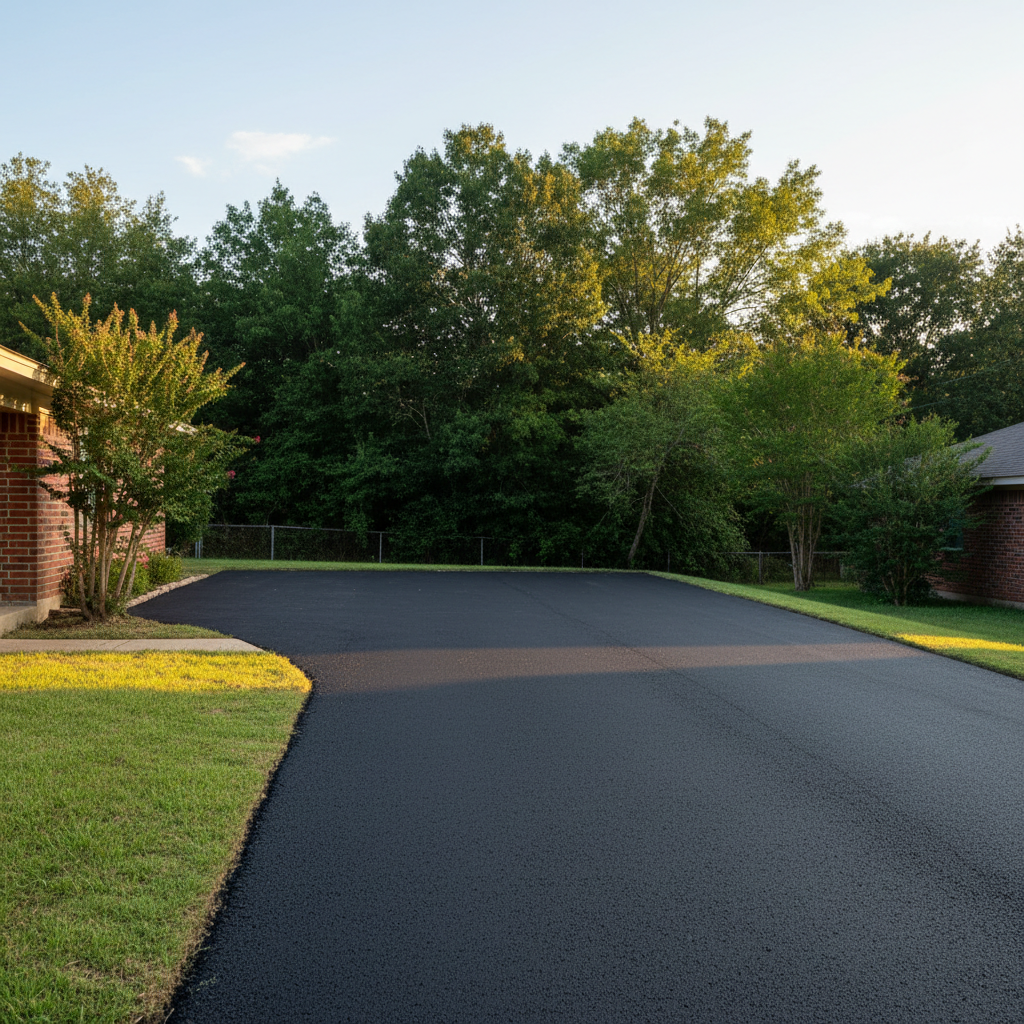
Alright, let's talk real numbers for commercial asphalt paving here in Temple. If you own a business, you know a good parking lot or access road isn't just about looks; it's about safety, accessibility, and making a good first impression. But what's it actually going to cost you?
What Makes Commercial Asphalt Paving Costs Go Up or Down?
You probably hear 'it depends' a lot, and yeah, there's truth to that. But I can tell you exactly what it depends on. It's not magic, it's just a few key factors:
- Project Size and Scope: This is the big one. A small patch job for a few potholes is a lot different than paving a whole new parking lot for a strip mall on Central Avenue. We price by the square foot, sure, but larger jobs often get a slightly better rate per square foot because of economies of scale.
- Existing Conditions: Is it a brand new build site? Are we tearing out old, cracked concrete or asphalt? Or are we just putting an overlay on a decent, but worn, surface? Demolition and extensive sub-base prep add significant cost and time. If the ground underneath is a mess, especially with our clay soils around here that can shift and swell, we've got to fix that first.
- Asphalt Thickness and Layers: Commercial parking lots need to stand up to heavier traffic than a residential driveway. That means thicker asphalt and often multiple layers (base, binder, surface). A standard commercial lot might get 2-3 inches of compacted asphalt, but a truck yard or industrial area could need 4-6 inches or more.
- Drainage Requirements: Proper drainage is crucial. Without it, you'll have standing water, premature cracking, and a shorter lifespan for your pavement. This might mean grading, installing catch basins, or even a French drain system.
- Accessibility and Site Logistics: Is the site easy for equipment to get in and out of? Are there tight corners, existing structures, or heavy pedestrian traffic we need to work around? This affects labor time and equipment needs, naturally.
- Material Costs: Asphalt is a petroleum product, so its price fluctuates with oil prices. We don't control that, but we always use quality materials that meet Texas DOT standards.
Typical Cost Ranges for Commercial Asphalt in Temple
Okay, let's get specific. Keep in mind these are averages for typical commercial projects in our area. These numbers are for the paving itself, not necessarily extensive earthwork or major drainage overhauls.
- New Paving (Sub-base, Multiple Layers): For a completely new installation, you're generally looking at $4.00 to $7.00 per square foot. This includes excavation, proper base preparation, and laying down a robust commercial-grade asphalt surface.
- Asphalt Overlay (2-3 inches over existing pavement): If your existing pavement is structurally sound but just worn out, an overlay is a more cost-effective option. Expect to pay $2.50 to $4.50 per square foot. We'll usually mill (grind down) any high spots first to ensure a smooth, even surface.
- Patching and Repair (per square foot of repair area): For smaller, isolated repairs like potholes or small sections of alligator cracking, prices can vary wildly depending on the depth and complexity. It might be $8.00 to $15.00 per square foot for a cut-and-patch job, but remember, the total cost for a small patch will include mobilization fees, so a tiny patch won't just be $8.00.
- Sealcoating (per square foot): This isn't paving, but it's essential maintenance. For commercial lots, sealcoating typically runs $0.25 to $0.50 per square foot. It protects your investment and extends the life of your asphalt.
- Striping and Markings: After the paving, you'll need lines, arrows, and handicap symbols. This is usually quoted separately, but expect $0.20 to $0.40 per linear foot for standard striping, and $50-$150 per symbol.
So, a 10,000 square foot parking lot needing a full new pave could easily be $40,000 to $70,000. An overlay on that same lot might be $25,000 to $45,000. Quite a difference, right?
What Should Be Included in Your Quote?
When you get a quote from Absolute Asphalt Co, or any reputable contractor, here's what you should expect to see detailed:
- Site Preparation: This means grading, excavation, removal of old material, and base rock installation and compaction.
- Asphalt Layers: Specifics on the type, thickness, and number of asphalt layers.
- Drainage: Any work related to ensuring proper water runoff.
- Traffic Control: How they'll manage traffic and safety during the project.
- Clean-up: What they'll do to leave your site tidy.
- Warranty: A clear statement of their warranty on materials and workmanship.
A good quote won't just be a single number. It'll break down the components so you understand what you're paying for.
How to Avoid Overpaying for Commercial Asphalt
You want a fair price, and I get that. Here's how you make sure you're getting one:
- Get Multiple Bids: Always get at least three quotes. But don't just pick the cheapest. Compare what each bid includes. A super low bid might be cutting corners on material thickness or prep work.
- Check References and Reviews: See what other Temple businesses say about them. Ask for examples of similar commercial projects they've done.
- Ask About Experience: Commercial paving is different from residential. Make sure they have a proven track record with commercial-sized jobs.
- Understand the Scope: Make sure every contractor is bidding on the exact same scope of work. If one contractor includes extensive base repair and another doesn't, their prices will obviously differ.
- Don't Rush: Plan ahead. Rushing a job can lead to higher costs or lower quality work.
- Ask About Warranties: A good contractor stands behind their work. We certainly do at Absolute Asphalt Co.
Your commercial property's asphalt is a big investment. Do your homework, ask the right questions, and you'll get a durable, professional job that serves your business well for years to come.