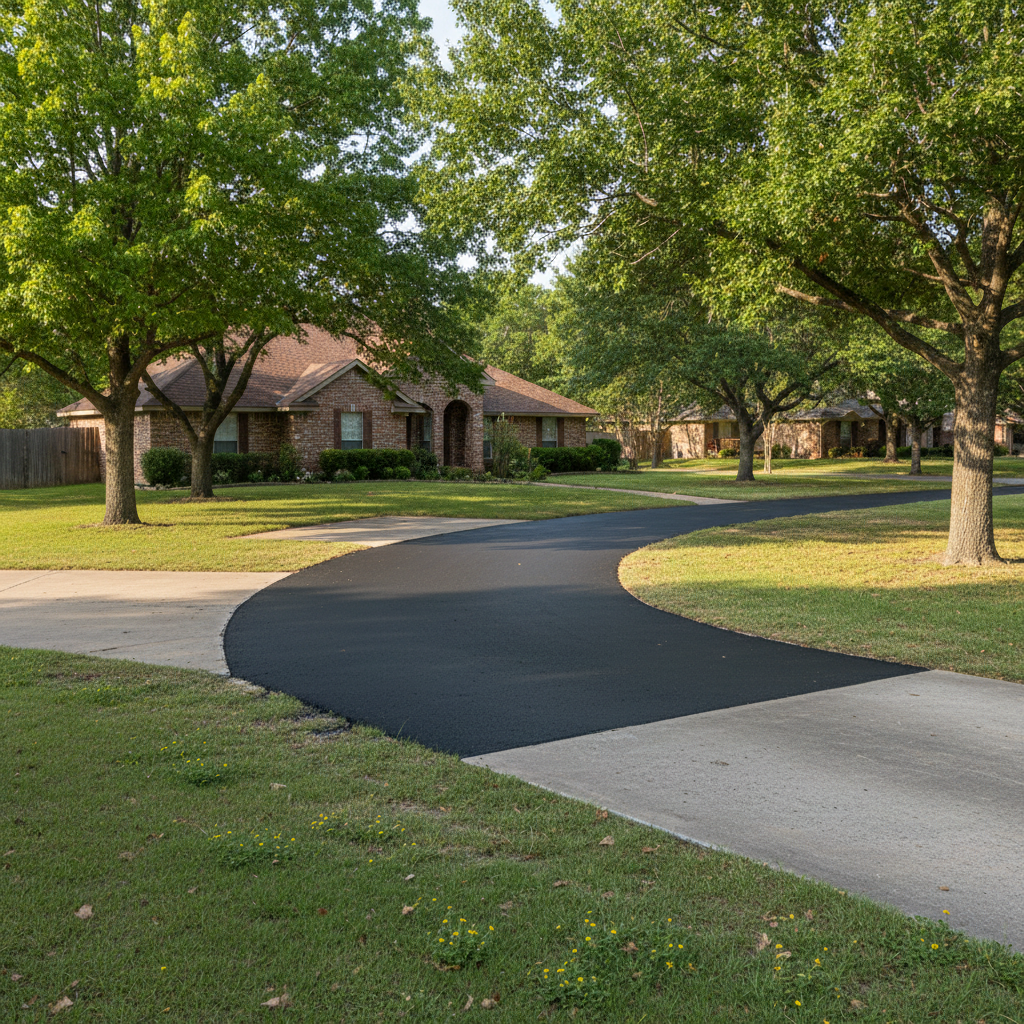
Alright, let's talk asphalt repair. Maybe you've got cracks, or potholes, or your driveway just looks plain tired. You want it fixed, and you want it done right. Good for you. But before you pick up the phone or try to tackle it yourself, you should know about some common mistakes I see folks in Temple make. These aren't just minor hiccups; they can turn a simple repair into a real headache and, frankly, a bigger bill.
Mistake #1: Not Really Understanding Why the Damage Happened
This one's a big deal. A lot of homeowners see a crack and just think, "Okay, I need to fill that." But why is that crack there in the first place? Is it just regular wear and tear? Is water getting under the pavement? Or is it the clay soil we have around here, especially in spots like the South Fork neighborhood, expanding and contracting? If you don't figure out the root cause, you're basically putting a band-aid on a bullet wound. You fill the crack, and six months later, it's back, or a new one pops up right next to it. A good contractor won't just give you a quote to fill a crack; they'll ask questions and look for the real problem. If they don't, that's a pretty big red flag.
Mistake #2: Choosing the Absolute Cheapest Bid
Look, I get it. Money doesn't grow on trees, especially with today's prices. Everyone wants a good deal. But when it comes to asphalt, the cheapest bid often ends up being the most expensive in the long run. I've seen this happen countless times. Someone hires a crew that's practically working out of a beat-up pickup truck, they do a quick patch job, and it looks okay for a week or two. Then the patch crumbles, lifts, or just plain fails. You end up calling someone else – hopefully, a reputable company like Absolute Asphalt Co – to come fix the bad repair. That usually costs more than if you'd just hired a quality contractor from the start. Ask for references, check reviews, and make sure they're properly insured. If a price seems too good to be true, it probably is, right?
Mistake #3: Not Asking About Materials and How They'll Do the Job
You wouldn't buy a car without knowing what kind of engine it has, would you? Same goes for asphalt repair. There are different types of patching materials, crack fillers, and repair techniques out there. Some work better for minor surface cracks, others for deeper potholes. Some are designed to hold up against our hot Texas summers and the occasional heavy downpour. If a contractor just says "we'll fix it" without explaining how they'll fix it and what they'll use, you should be a little wary. You don't need to be an expert, but you should understand the basics of what's being done to your property. Ask about the type of crack filler, the depth of the patch, and how they'll get the area ready. A good contractor will be happy to explain it all to you.
Mistake #4: Ignoring Proper Drainage
Water is asphalt's worst enemy, plain and simple. If your driveway or parking area isn't draining correctly, you're going to have problems, no matter how good the repair job is. Puddles that sit on your asphalt will eventually seep into cracks, get under the surface, and cause freeze-thaw damage (even if our freezes are short-lived here in Central Texas) or just weaken the base. When you're talking to contractors, ask them if they've looked at your drainage. Sometimes a repair isn't just about filling a hole; it might mean improving the slope or adding a small drain to get water away. Overlooking this can lead to recurring damage and a lot of frustration.
Mistake #5: Trying to Do Major Repairs Yourself Without the Right Tools or Know-How
For a tiny, hairline crack? Sure, you can probably grab some crack filler from the hardware store and do it yourself. But for anything more substantial – potholes, widespread cracking, or areas that are crumbling – you're likely going to make it worse or just waste your time and money. Professional asphalt repair needs specific equipment, materials, and techniques to make sure the fix lasts. You need to clean the area thoroughly, sometimes cut out damaged sections, apply primers, and use hot-mix asphalt or specialized cold patch that's compacted correctly. It's not just slapping some tar down, believe me. I've seen DIY jobs that looked like a patchwork quilt and failed within weeks because the homeowner didn't have the right stuff or the knowledge. Save yourself the headache and call in the pros for anything beyond a minor touch-up.
So, there you have it. Don't rush into your asphalt repair project. Do your homework, ask the right questions, and choose a contractor who truly knows their stuff. It'll save you a lot of grief and money in the long run. Good luck with your project!