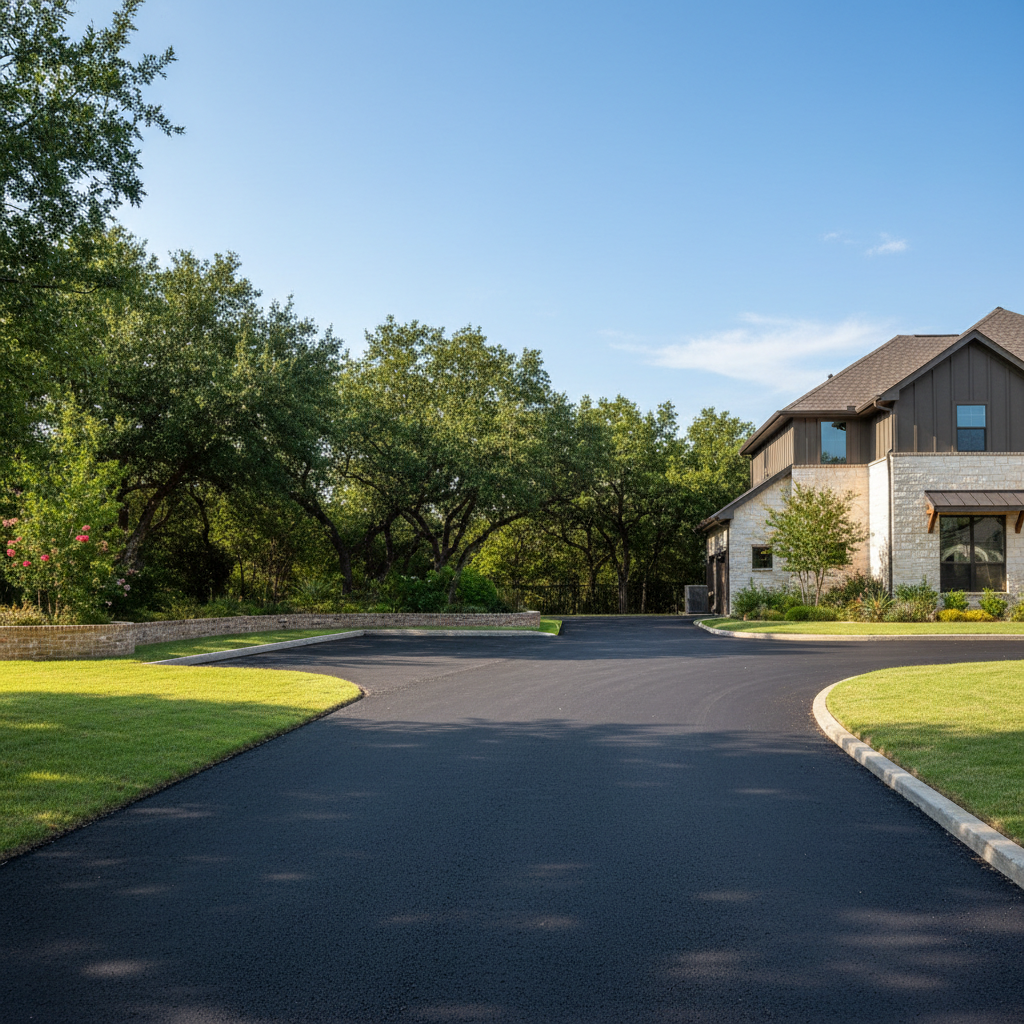
Alright, let's talk commercial asphalt projects here in Temple. I've been doing this a long time, and I've seen folks make some real head-scratchers when they're trying to get a parking lot or access road done. It's not just about picking a contractor; it's about how you approach the whole thing from the start. Trust me, a little foresight can save you a mountain of headaches and cash.
Not Understanding Your Site's Drainage Needs
This is probably the biggest one I see, especially with our Central Texas weather. You get a heavy downpour, and if that water doesn't have somewhere to go, it's going to sit. And sitting water is the enemy of asphalt. It seeps into cracks, gets under the surface, and before you know it, you've got potholes and crumbling pavement. I've seen businesses in the Loop 363 area, for example, get a new lot paved, only for it to turn into a small pond after the first big storm because nobody properly planned for the runoff. You need to think about slopes, catch basins, and how the water will drain off your property and into the city's system. Don't just assume the contractor will handle it if you haven't discussed it explicitly. A good plan considers the lay of the land and how water will move across it.
Focusing Solely on the Lowest Bid
Look, I get it. Everyone wants a good deal. But when it comes to commercial asphalt, the cheapest bid is rarely the best value. I've seen businesses go with a ridiculously low price, only to find out the contractor cut corners on materials, didn't prepare the sub-base properly, or disappeared halfway through the job. That 'cheap' job then costs twice as much to fix or redo. You're not just buying asphalt; you're investing in a durable surface that needs to withstand heavy traffic, our scorching summers, and those sudden winter freezes. Ask for detailed proposals, check references, and make sure they're using quality materials. A reputable company, like Absolute Asphalt Co., will give you a fair price for a job done right, and they'll stand by their work.
Ignoring the Sub-Base Preparation
Think of your asphalt like the icing on a cake. The cake itself — that's your sub-base. If the cake is crumbly or uneven, no matter how good the icing is, it's not going to hold up. In Temple, we've got some pretty expansive clay soils in places. If that sub-base isn't properly compacted and stable, your brand-new asphalt is going to crack, sink, and fail prematurely. I've seen contractors skip this step or do it poorly to save time and money. It's invisible once the asphalt is down, but its impact is huge. Ask about their process for sub-base preparation. How will they deal with existing soil conditions? What kind of aggregate will they use? This isn't a detail to gloss over.
Not Clarifying the Scope of Work Upfront
This one causes so many arguments and delays. You think you're getting one thing, the contractor thinks they're doing another, and suddenly you're looking at change orders and extra costs. Get everything in writing, down to the last detail. What's the thickness of the asphalt? How many layers? What kind of striping? Are they handling permits? What's the timeline? What about cleanup? Don't leave anything to assumption. A clear contract protects both you and the contractor. If something isn't in writing, it might as well not exist.
Underestimating the Importance of Maintenance
Once your new parking lot is in, you can't just forget about it. Asphalt needs love. Regular sealcoating, crack filling, and prompt repairs extend its life significantly. I've seen businesses spend a fortune on a new lot, then neglect it for years, only to face another huge bill for a full replacement much sooner than necessary. Think of it like changing the oil in your car. It's a small, regular expense that prevents a much larger, catastrophic failure down the road. Plan for maintenance from day one; it's part of the long-term cost of ownership.
So, when you're gearing up for a commercial asphalt project here in Temple, don't just jump in blind. Do your homework, ask the tough questions, and make sure you're working with a team that knows what they're doing and cares about the longevity of your investment. It'll save you a lot of grief in the long run.