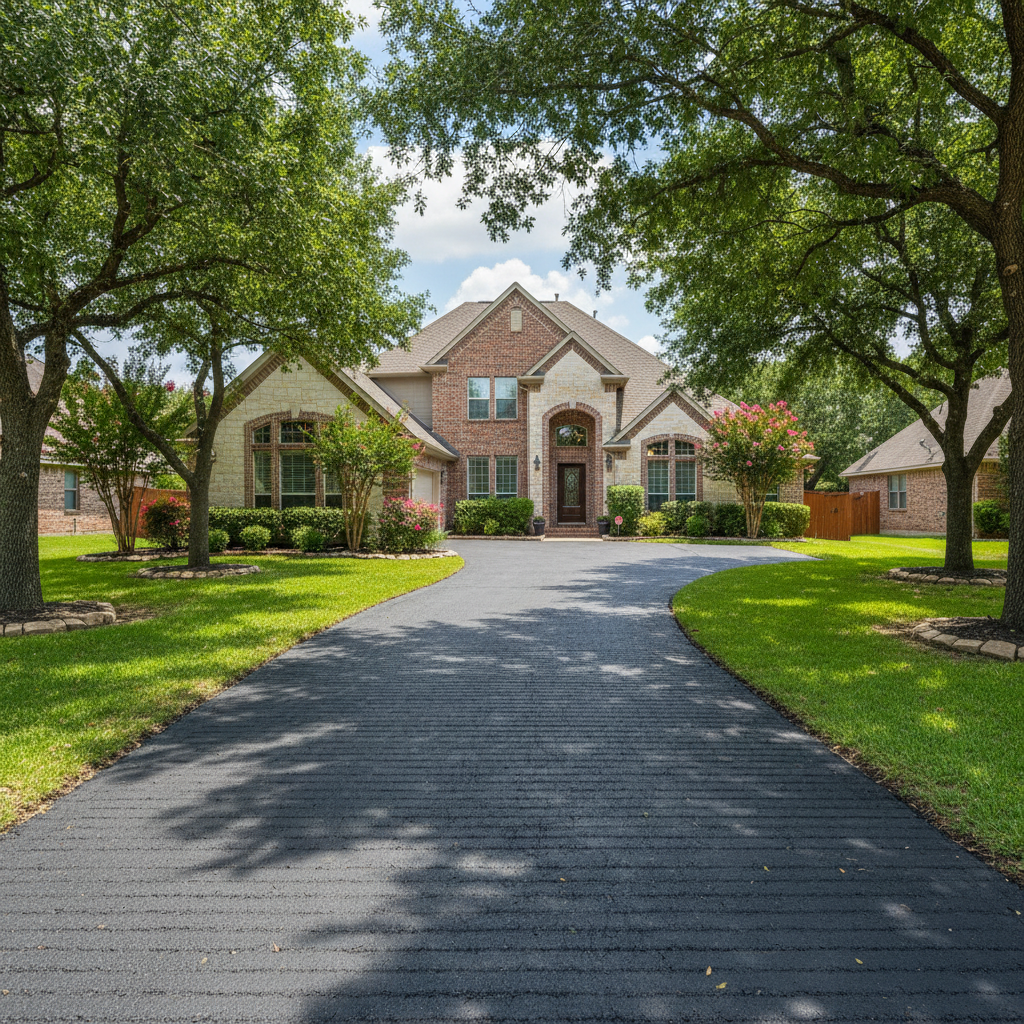
Alright, let's talk about asphalt milling. If your old driveway has seen better days, but the base underneath is still holding up, milling might be just the ticket instead of a full tear-out. It’s basically grinding down the top layer of your existing asphalt. This creates a fresh, stable surface for new asphalt. It saves you money, plus it’s a lot less disruptive than starting from scratch.
Best Time for Milling in Temple, TX
So, when should you actually get this kind of work done around Temple? For milling, you really want moderate, dry weather. That means our spring and fall seasons are usually your best bet. Think March through May, then late September through November. Why those times, you ask?
- Temperature is key: Milling equipment works best when the asphalt isn't super brittle from freezing temps or super soft from scorching heat. Our spring and fall give us that sweet spot.
- Moisture matters: You definitely don't want a soaking wet surface when you're trying to mill. It makes a mess, can gum up the equipment, and it's just not ideal for getting a consistent, clean profile. Dry days are happy days for milling, no doubt about it.
- Curing time: Once you mill, you'll typically put down a new layer of asphalt pretty quickly. That new asphalt needs good conditions to cure properly, and extreme heat or cold can really mess with that process.
Now, I know what you're thinking: "It's Texas, we get 100-degree days in June and 30-degree days in January." And you're right. That's why being flexible with scheduling is important. If we've got a surprise cold snap in April or an early heatwave, we might need to adjust. We're always watching the forecast closely.
How Temple's Weather Impacts Your Milling Project
Our local climate here in Central Texas is a big factor. We get those intense summer suns that can bake an asphalt surface, making it softer and harder to mill precisely. Then we get those sudden, heavy downpours that can turn a job site into a mud pit if you're not careful. And don't forget the occasional winter freeze, which can make asphalt brittle and difficult to work with.
You see a lot of driveways out in places like the Westfield neighborhood that have been around for decades. They've handled a lot of Texas weather, and sometimes milling is the perfect way to give them another 15-20 years of life. But you've got to respect the conditions. Trying to mill in the middle of August when it's 105 degrees and the asphalt is practically melting isn't going to give you the best result. Same goes for trying to do it when the ground is frozen solid.
Protecting Your Milled Investment Year-Round
Once you've got that fresh new surface after milling and repaving, you want to keep it looking good and lasting long. Here's how:
- Sealcoating: This is your first line of defense. A good sealcoat protects against UV rays, water penetration, and even minor spills. I usually recommend waiting about 6-12 months after a new asphalt layer before sealcoating, just to let it fully cure. After that, every 2-3 years works well for most residential driveways.
- Patching and crack filling: Don't let small cracks become big problems. Water is asphalt's worst enemy, believe me. When it gets into cracks, it expands and contracts with our temperature swings — especially during those winter freezes we occasionally get — and that's how potholes start. Get those cracks filled promptly.
- Drainage: Make sure water is flowing off your driveway, not pooling on it. If you've got low spots, address them. Proper drainage is absolutely crucial for the longevity of any asphalt surface.
- Cleanliness: Keep your driveway free of oil spills, gas, and chemicals. These can break down the asphalt binder over time. A quick clean-up goes a long way.
At Absolute Asphalt Co, we've done a lot of milling projects around Temple, and we've seen firsthand what works and what doesn't. Getting the timing right with our specific Central Texas climate is a huge part of that. If you're considering milling for your driveway, give us a call. We'll come out, take a look, and give you an honest assessment of what you need and when's the best time to do it.