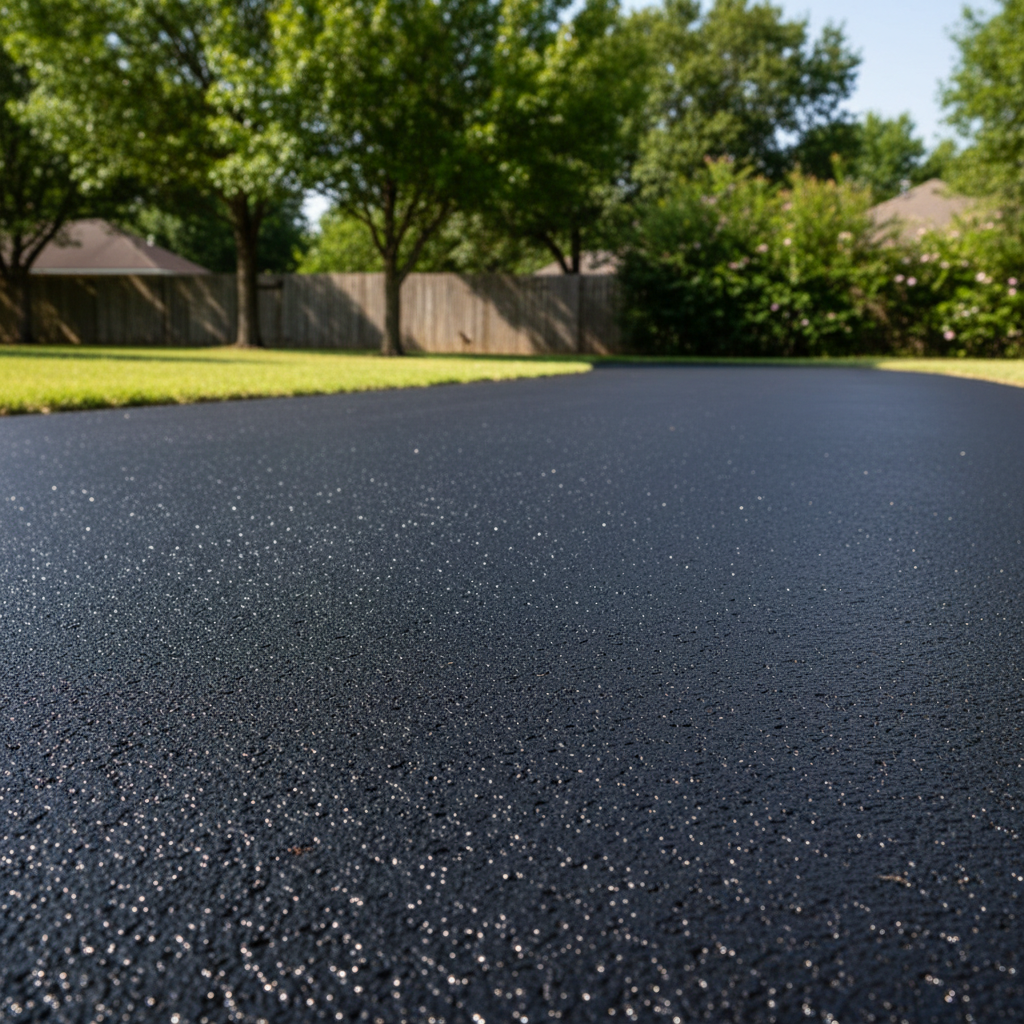
How long does a new asphalt driveway usually last around here?
That's probably the most common question I get, and honestly, it's a really good one because you're making a real investment. A properly installed asphalt driveway, put in by folks who truly know their stuff, should easily give you 15 to 20 years, sometimes even more. But here’s the thing: that lifespan isn't just about the asphalt itself. It’s mostly about what’s underneath it. If your sub-base isn't prepared correctly — I'm talking well-compacted, with good drainage — you're already starting at a disadvantage. We have some pretty expansive clay soils around Temple, especially out towards Belton Lake, and that ground definitely moves. If your base isn't stable enough to handle that movement, you'll see problems like cracking and settling a lot sooner than you should. Regular maintenance, like sealing every few years, also plays a huge part in hitting that 20-year mark. Think of it like changing the oil in your car; you wouldn't expect it to last without that, right?
What's the deal with drainage? How important is it for my driveway?
Drainage isn't just important; it's absolutely critical. It’s probably the single biggest factor in how long your asphalt lasts, second only to the quality of the initial installation itself. Water is asphalt's worst enemy, no joke. If water sits on your driveway, it starts to seep into the surface, especially if there are any small cracks. Once it gets under the asphalt and into the base, it can soften that sub-base, leading to potholes, that dreaded alligator cracking, and eventually, total failure. We always design driveways with a slight slope, usually at least a 1-2% grade, just to make sure water runs off quickly. We want it flowing away from your house, away from the foundation, and into a proper drainage area like a storm drain, a ditch, or a permeable spot where it can soak into the ground. If your property is flat, or even slopes towards your house, we might need to get a little creative with swales or catch basins. Don't ever skimp on drainage; you'll absolutely pay for it later, I promise you.
I've got cracks. When do I need to worry, and what's the best way to fix them?
Cracks happen. It's just a fact of life with asphalt, especially with our Texas heat and the ground constantly shifting around. Small, hairline cracks, particularly isolated ones, aren't usually an immediate emergency. But when they start to widen, connect, or you see what we call 'alligator cracking' – that pattern of interconnected cracks that looks just like alligator skin – that's when you really need to act. Those alligator cracks mean the base underneath is failing, and water is definitely getting in and doing some serious damage. For small to medium cracks, crack filling with a hot-applied rubberized sealant is definitely the way to go. It keeps water out and extends the life of your pavement. For alligator cracking or larger, deeper potholes, you're looking at needing to cut out the bad section and do a proper patch, often called a full-depth repair. Just putting a band-aid over a deep problem won't cut it, believe me. Catching cracks early is key; it's always, always cheaper to fill a crack than to replace a whole section of driveway.
How often should I sealcoat my asphalt driveway?
For most residential driveways around Temple, I generally recommend sealcoating every 2 to 3 years. Some folks push it to 4, but that's really pushing your luck a bit, isn't it? Sealcoating isn't just for looks; it's a crucial protective layer. It shields your asphalt from the sun's harsh UV rays, which can dry out the binder and make the asphalt brittle. It also protects against water penetration, oil spills, and general wear and tear. If you wait too long, the asphalt starts to oxidize, turn gray, and get rough. At that point, a sealcoat won't do nearly as much good because the damage is already done. It's like sunscreen for your driveway. You wouldn't go out in the Central Texas summer sun without it, would you? Make sure whoever does it preps the surface right – cleaning, filling cracks – before they even think about putting down the sealer. A good sealcoat job by Absolute Asphalt Co. can add years to your driveway's life.
What's the best time of year to get a new driveway or have work done?
Here in Temple, the best time for asphalt work, whether it's a new driveway, patching, or sealcoating, is usually spring or fall. You want temperatures that are consistently above 50 degrees Fahrenheit, but not scorching hot like the middle of July or August. Asphalt needs warmth to cure properly and remain pliable during installation. If it's too cold, the asphalt can cool too quickly, making it harder to compact and leading to a less durable surface. If it's too hot, the asphalt can be too soft, making it difficult to work with and potentially leading to issues like rutting. Plus, working in 100-degree heat is just brutal for the crew, and that can definitely affect the quality of the work. So, aiming for those milder months, typically April to June or September to November, gives you the best results.
Can I drive on my new asphalt driveway right away?
No, definitely not right away. That's a common mistake people make, and it can really mess up a fresh installation. We usually recommend staying off a newly paved asphalt driveway for at least 24 to 48 hours. If it's a particularly hot day, or if it's a thicker application, you might even want to give it 72 hours. Asphalt needs time to cure and harden, you see. If you drive on it too soon, especially with heavy vehicles or by turning your wheels sharply while stationary, you can create ruts, tire marks, or even displace the asphalt. It's still pliable for a while. Even after a few days, be gentle for the first week or two. Avoid parking heavy RVs or trailers on it for a bit longer, too. It's a small inconvenience for a much better, longer-lasting driveway.
How do I keep my asphalt driveway looking good and lasting longer?
It's not rocket science, but it does take a little effort. First off, keep it clean. Sweep off dirt, leaves, and debris regularly. Don't let oil or gas spills just sit there; clean them up quickly with an absorbent material and then wash the spot. Those chemicals can really break down the asphalt binder. Avoid parking heavy equipment or vehicles in the same spot for extended periods, especially during hot weather, as this can cause depressions. If you have any trees, try to keep roots from growing under the driveway, as they can cause lifting and cracking. And like I said earlier, regular crack filling and sealcoating are your best friends. Think of it as preventative medicine for your driveway. A little attention now saves you a lot of headache and money down the road, believe me.