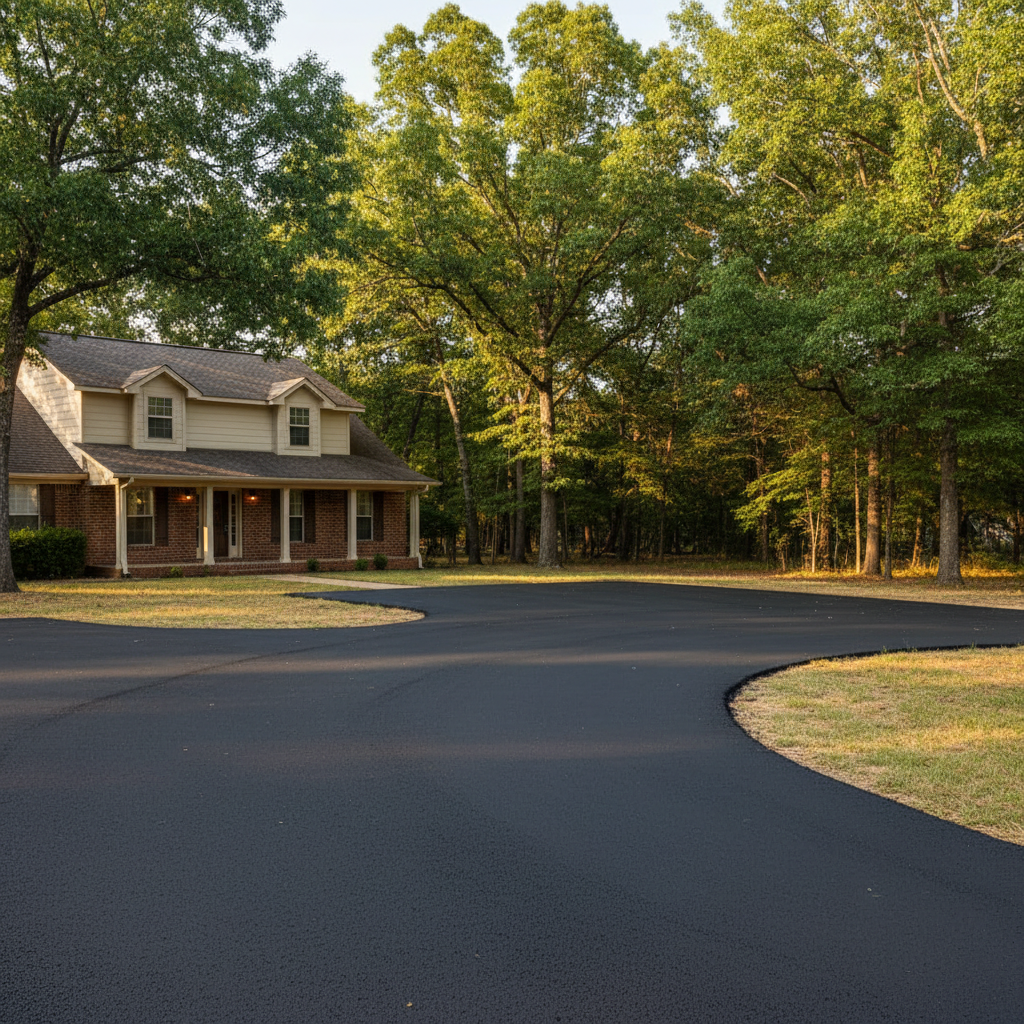
So, you've got a parking lot, right? Maybe it's for your business, or maybe it's a big spread at home. Either way, you know it needs some attention. But when's the *best* time to actually get that asphalt laid down or fixed here in Temple? It's not just about when you've got the cash; it's really about working with our Central Texas weather, not fighting it. Believe me, I've seen plenty of jobs where folks tried to rush things, and it just didn't end well.
When to Schedule Your Paving Project
For any big asphalt paving job – like a brand-new parking lot or a major overlay – you're looking at a pretty specific window. We need steady warm temperatures for the asphalt to cure the way it should. That means spring and fall are your absolute best bets around here. Think April to early June, then late September through November. During those months, the daytime temperatures usually hit that sweet spot – not too hot, not too cold – and we generally get more predictable weather patterns.
Why does that matter? Well, when we lay hot asphalt, it needs to cool down at a certain speed to get maximum compaction and density. If it cools too fast because it's chilly outside, it won't compact right, and you'll end up with a weaker surface that cracks sooner. On the flip side, if it's too hot, like those brutal July and August days we always get, the asphalt can stay soft for too long. That makes it harder to work with and can lead to problems like rutting, especially under heavy traffic. Not ideal, is it?
Weather Conditions That Affect the Work
Beyond just the temperature, a few other weather factors play a huge role:
- Rain: This is a big one. You simply cannot lay asphalt on a wet base. Period. Water trapped underneath will cause all sorts of headaches down the line, everything from potholes to the whole base failing. A little drizzle might be okay for some prep work, but for the actual paving, it has to be dry. We're always watching the forecast like a hawk before and during a job, trust me.
- Humidity: High humidity can slow down how fast certain sealants and coatings cure, though it's less of a concern for the hot-mix asphalt itself.
- Wind: Strong winds can cool asphalt too quickly, kind of like cold temperatures do. It can also make applying sealcoats a real pain, leading to uneven coverage or debris getting blown into the fresh material.
So, if you're thinking about getting a parking lot paved in the dead of winter or the peak of summer, just know you're fighting an uphill battle. We can sometimes make it work with special additives or different asphalt mixes, but it's always better to hit that prime weather window if you can.
Protecting Your Investment Year-Round
Once your parking lot is paved, your job isn't over. Protecting that investment means year-round attention, especially with our crazy Temple weather swings. One season we're hitting 100 degrees for weeks, the next it's freezing rain and ice. That constant expansion and contraction really takes a toll.
- Crack Sealing: This is your first line of defense. As soon as you see a crack, get it sealed. Water is asphalt's worst enemy, after all. It gets into those cracks, freezes and expands in winter, and then washes away the base material in summer downpours. We've got that heavy Blackland Prairie clay soil here, and if water gets under your pavement and softens that clay, you're in for a world of hurt.
- Sealcoating: Think of sealcoating like sunscreen for your asphalt. It protects against UV rays, which oxidize the asphalt binder and make it brittle. Plus, it helps repel water and chemicals like oil and gas. For most commercial lots with moderate traffic, I recommend sealcoating every 2-3 years. If it's a lighter-use area, maybe every 3-4.
- Drainage: Make sure your drainage is working right. Puddles that sit on your asphalt for extended periods will speed up how fast it breaks down. If you've got standing water, you've got a problem that needs fixing.
- Regular Cleaning: Keep it clear of debris, oil spills, and anything else that can break down the asphalt.
Look, your parking lot is a big investment. You want it to last, right? By understanding how our local climate affects asphalt and taking proactive steps to maintain it, you'll get years of good service out of it. We at Absolute Asphalt Co. are always happy to come out, take a look, and give you an honest assessment of what your parking lot needs and when's the best time to do it. Don't wait until those small cracks turn into big potholes; that's when it gets really expensive.