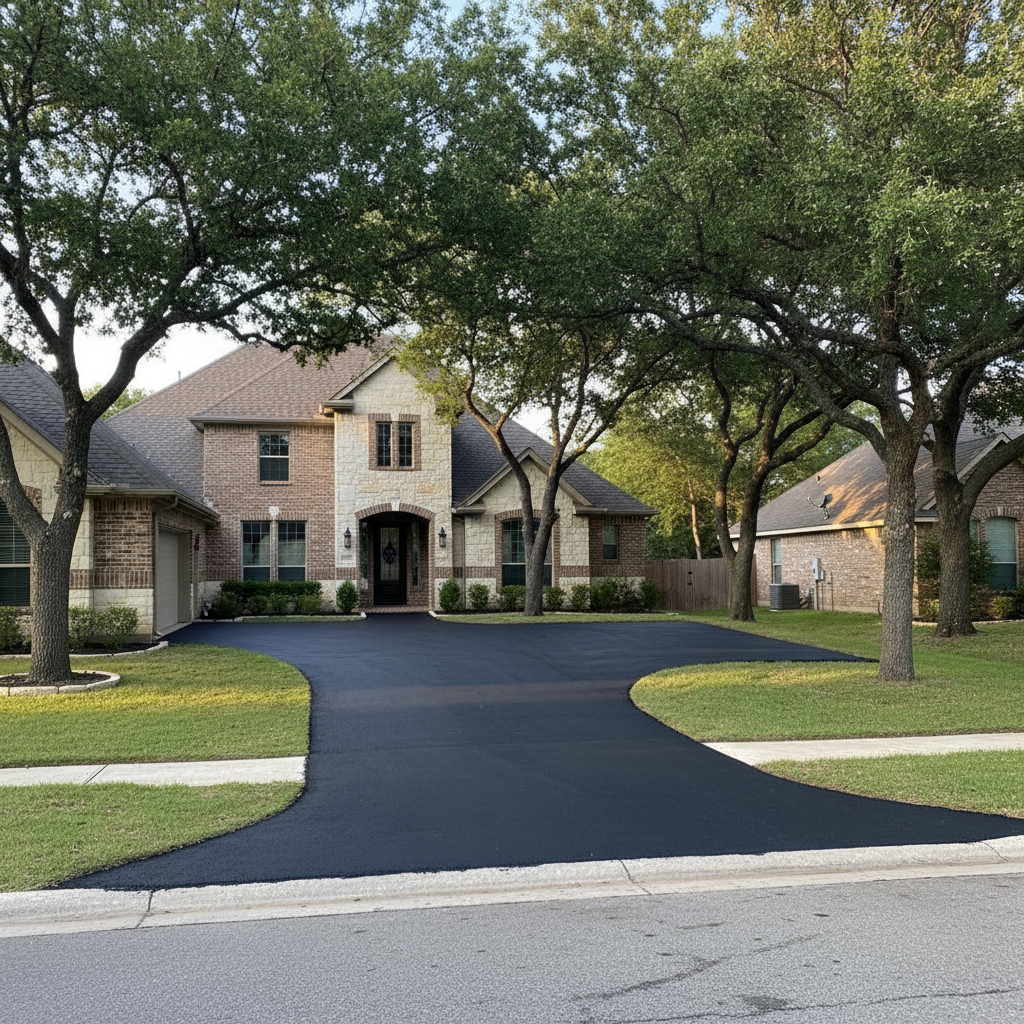
So, you're looking to get a new driveway put in, huh? That's a pretty big project, and it's smart to really think it through before you just dive in. I've seen a lot of driveways go in around Temple, everything from older homes near Baylor Scott & White to those newer builds out towards Belton Lake. Getting it right, you know, it starts way before the crew even shows up with their equipment. Let's talk about how to plan this whole thing out so you're actually happy with how it turns out.
Figuring Out Your Project Timeline
Folks often don't realize how long a paving project can actually take. I'm not just talking about the day we're laying asphalt, either. From your very first thought to the finished product, you're looking at a few weeks, sometimes even a couple of months. It really depends on the season and how busy contractors are around here. Here's a rough idea:
- Initial Research & Quotes (2-4 weeks): You'll definitely want to get at least three quotes. And hey, don't just pick the cheapest one. Look at what each quote includes, check references, and make sure the company is legitimate.
- Permits & Approvals (1-3 weeks): For some bigger jobs, or if you're changing the driveway's size a lot, you might need city permits. Your contractor should handle this, but it's good to know it's part of the deal.
- Scheduling (1-4 weeks): Once you've picked a contractor and signed a contract, you'll get on their schedule. The good contractors are usually booked out a bit, especially in the spring and fall when the weather's just perfect for paving.
- Actual Paving Work (1-3 days): The physical work itself is usually pretty quick for a residential driveway. We're talking excavation, grading, base prep, and then laying the asphalt.
- Curing Time (3-7 days): After we lay the asphalt, you can't drive on it right away. It needs time to cure and harden properly. We'll tell you exactly how long to wait, of course.
Don't forget to factor in our Texas weather, too. A sudden downpour can really throw a wrench in things, because you just can't pave on wet ground. It simply won't hold up.
What to Expect When We're Working
When the crew finally shows up, it's going to be a bit of a production. Don't be surprised by all the noise and activity. Here's how it generally goes:
- Demolition and Excavation: If you've got an old driveway, we'll rip it out. Then we'll dig out the area to the right depth. This means dirt, dust, and some heavy machinery.
- Grading and Base Preparation: This is probably the most important step, honestly. We'll shape the ground, making sure water drains away from your house. Then we'll put down a compacted aggregate base. This base is what gives your driveway its strength and makes it last. If this isn't done right, you'll have problems down the road — literally.
- Asphalt Paving: The hot asphalt mix arrives, and we spread it out evenly, then compact it with rollers. It'll be steaming and, well, smell like asphalt.
- Cleanup: We'll clean up the site, get rid of debris, and make sure everything looks tidy.
It's a dirty job, but someone's got to do it right. We really take pride in leaving your property looking good, even if it was a construction zone for a day or two.
How You Can Get Your Property Ready
You can actually help make the whole process smoother for everyone involved. A little bit of prep on your end goes a long way:
- Clear the Area: Move any cars, boats, RVs, or anything else that's usually parked on or near the driveway. This includes planters, yard ornaments, and kids' toys.
- Trim Landscaping: If you have bushes or tree branches hanging over the driveway, trim them back. This gives our equipment room to move and helps prevent damage.
- Secure Pets: Keep your pets indoors or in a secure, fenced area away from the work zone. Heavy machinery and hot asphalt aren't safe for curious critters.
- Inform Neighbors: Give your neighbors a heads-up about the work. There will be noise, trucks, and possibly temporary access issues. It's just good neighborly practice, right?
- Plan for Access: For the day of paving and the curing period, you won't be able to use your driveway. Plan where you'll park your vehicles and how you'll get in and out of your house.
It's all about making sure our crew can work efficiently and safely, and that your property stays protected.
Questions to Ask Before You Sign Anything
This is where you protect yourself and make sure you're getting a quality job. Don't be shy about asking these questions:
- What's your full company name and physical address? Make sure they're local and established. For Absolute Asphalt Co, you know exactly where to find us.
- Are you licensed and insured? This is non-negotiable. Ask for proof of liability insurance and workers' compensation. If they're not insured, you could be liable if someone gets hurt on your property.
- Can you give me some references? Ask for recent customers you can call. A good contractor will be happy to provide them.
- What's the exact thickness of the asphalt and the base layer? Get specifics. A thinner base or asphalt layer means your driveway won't last as long.
- What kind of aggregate base do you use, and how will it be compacted? Again, specifics matter. Proper compaction is key.
- What's your warranty? How long is it, and what does it cover? Make sure you get it in writing.
- What's the payment schedule? Be wary of anyone asking for a huge upfront deposit. A reasonable deposit is fine, with the rest due once you're happy with the work.
- Who will be my main contact person during the project? You want to know who to call if you have questions or concerns.
- How do you handle drainage? This is super important, especially with our heavy rains. You definitely don't want water pooling on your new driveway or running towards your house's foundation.
Asking these questions shows you're serious and helps weed out the less reputable folks. A good contractor actually appreciates a homeowner who's engaged and informed. Your driveway is a big investment, and with a little planning and the right questions, you'll get a surface that lasts for years.